Knowing how to insure tools and equipment on a job site comes down to three things: a written inventory, a policy that names that gear or covers it as blanket property, and proof of what you did to protect it. General liability does not cover your own tools, so if that is the only policy on your certificate, you have a gap.
There is a second half to this that most guides skip. A lot of contractors simply never leave tools on site after hours, and that habit, discussed openly in r/Construction, is a real risk-management decision, not an insurance trick. Coverage and behavior both matter.
Table of Contents
- What You Need
- Step-by-Step: How to Insure Tools and Equipment on a Job Site
- How to Insure Tools and Equipment on a Job Site
- Step 1: Inventory and value every tool
- Step 2: Check what your current policies cover
- Step 3: Add coverage for uncovered risks
- Step 4: Secure tools and equipment at the site
- Step 5: Document purchases, changes, and incidents
- Step 6: Review coverage after major changes
- Common Mistakes
- Tips for Keeping Coverage Reliable
- Frequently Asked Questions
- Does general liability insurance cover tools and equipment?
- Should I insure tools for replacement cost or actual cash value?
- What happens if my tools are stolen from a customer’s job site?
- Can I insure tools owned by employees or subcontractors?
- Do I need separate coverage for equipment stored in my vehicle?
- What should I do immediately after equipment is lost or damaged?
- Conclusion
What You Need
Before you buy anything or change anything, gather five things. Skipping this step is how people end up paying for a policy that duplicates what they already had.
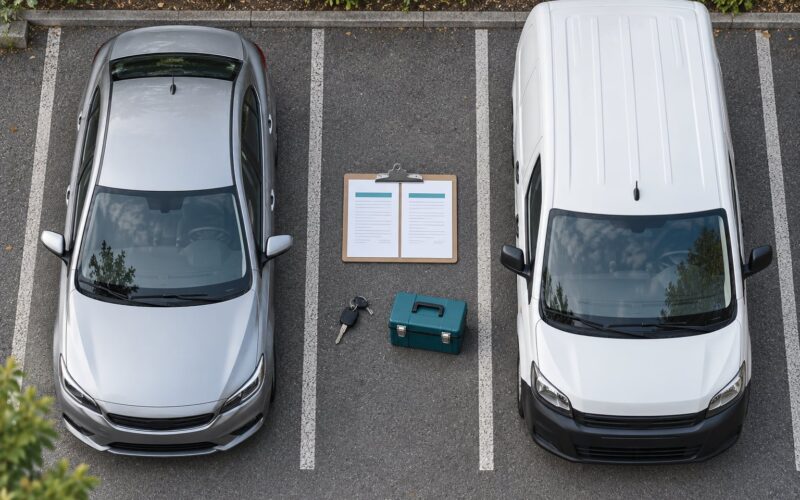
- Your current declarations pages. Every policy you hold has a declarations page listing limits and deductibles. That page is the starting point, not a summary sheet or a broker’s overview.
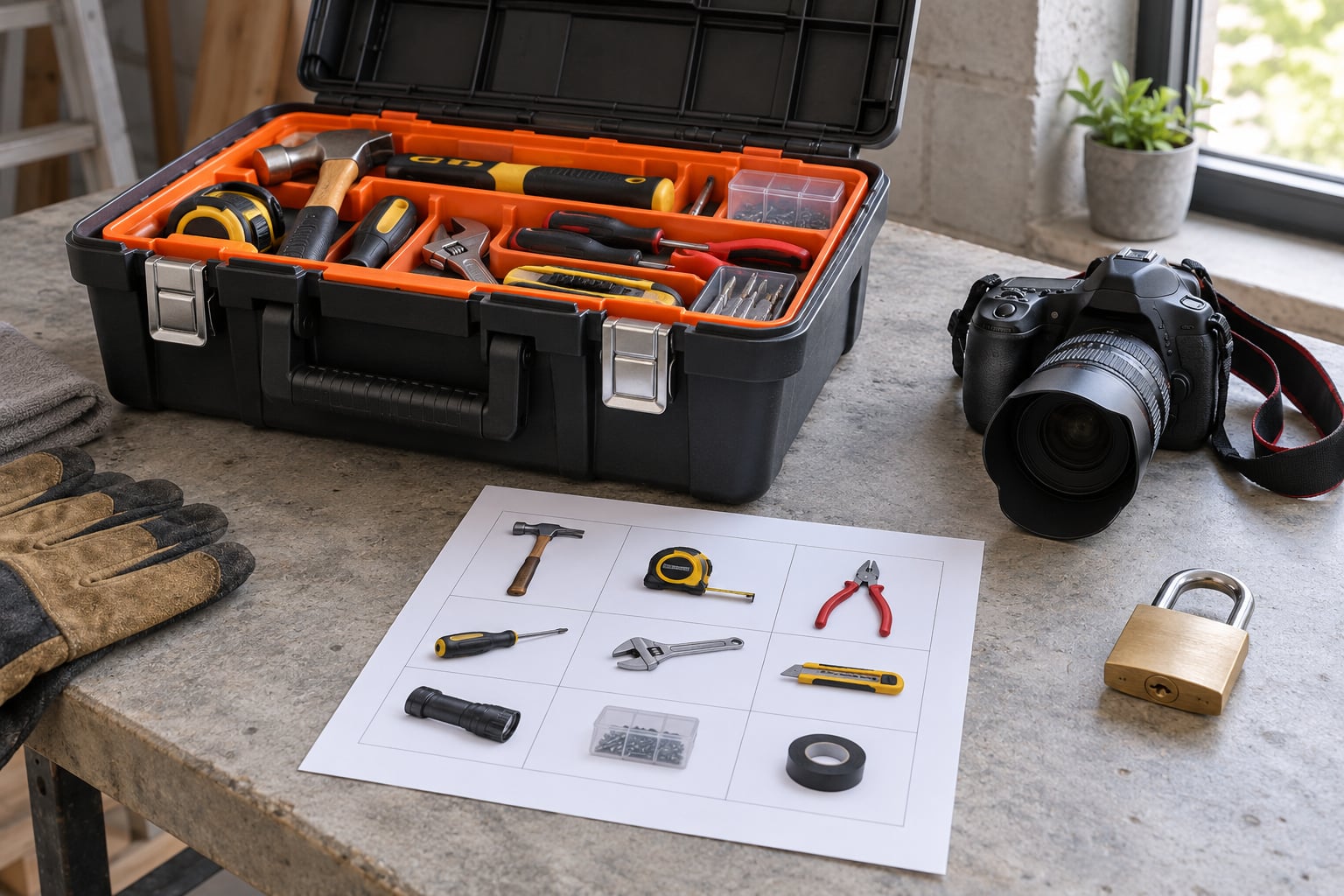
- A full equipment inventory. Every tool, machine, ladder, trailer, saw, meter and camera, separated by whether you own it, rent it, lease it or borrowed it.
- Purchase records. Receipts, invoices, order confirmations, serial numbers, dated photos. These determine your valuation basis later.
- A note on your security practices. What locks the trailer, where equipment sits overnight, whether a site is fenced, whether you use tracking devices.
- Business details. Legal entity name, federal tax ID, state of operations, payroll if you have employees, and the list of job states you travel in.
Roughly an hour of work at a kitchen table gets you all of it. Insurers and claims adjusters both work from documents, and the contractor who hands over a clean schedule usually gets through a claim faster than the one who reconstructs everything from memory.
Step-by-Step: How to Insure Tools and Equipment on a Job Site
How to Insure Tools and Equipment on a Job Site
Start by figuring out which policy type is supposed to carry your gear. General liability responds to third-party injury and third-party property damage, not to your own stolen tools. Inland marine coverage covers property that moves or sits at temporary locations away from your premises. A tools floater or contractor’s equipment policy is the closer fit for most trades, and equipment breakdown coverage handles sudden mechanical failure rather than theft. Many contractors carry a combination.
Policy wording and state rules decide what actually pays. Coverage that one carrier writes broadly, another writes narrowly, so treat the wording in front of you as the only authority.
Step 1: Inventory and value every tool
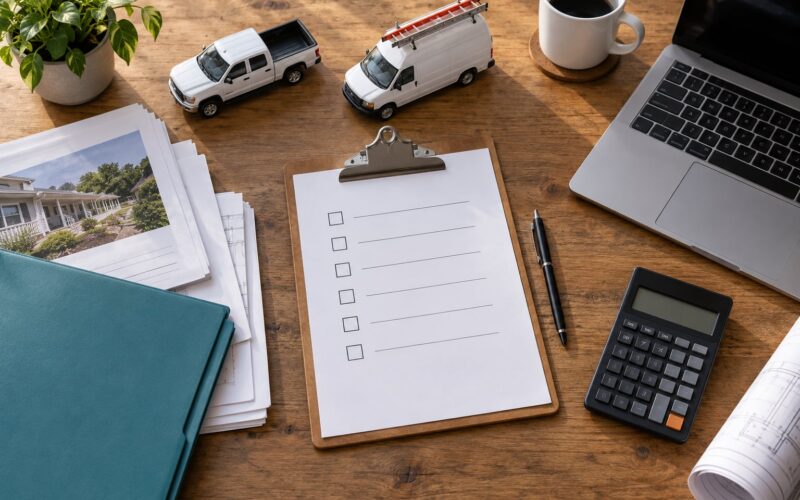
Build one document and keep updating it rather than starting fresh each time. Use a spreadsheet with columns for the item, make and model, serial number, purchase date, replacement cost, who owns it and where it usually lives.
Separate owned, rented, leased and borrowed property into distinct sections. Each category behaves differently at claim time: you cannot replace what you do not own, and a rental house or lender usually carries its own coverage on its own asset. Listing them separately stops you from insuring something twice or not at all.
Use replacement cost for anything you would have to buy new to continue working. Older gear still earns money, but a claim paid at actual cash value subtracts depreciation and leaves you buying yesterday’s version of a tool. Whatever basis you choose, record the number you could prove with a receipt.
Step 2: Check what your current policies cover
Pull the declarations pages and read them line by line. Look for four things: whether tools are listed or only blanket-covered, what category or per-item limit applies, whether property away from the insured premises is included, and what the deductible is.
Three gaps cause most of the surprise. A personal auto policy commonly excludes tools riding in the bed of a vehicle, which is exactly where contractors keep them. A homeowner’s policy usually excludes property used for business. And builders risk, which protects the structure under construction, generally leaves contractor tools to your own policy. Your own auto policy’s business-use language deserves the same scrutiny.
Do not guess at any of this. Ask your agent or the carrier in writing for confirmation that a specific category of equipment is covered off premises, and keep the reply. A written answer is worth far more than a verbal assurance when a claim is on the line.
Step 3: Add coverage for uncovered risks
Once you know the gap, you have a few ways to close it. Schedule the big-ticket items individually at an agreed value, which is the strongest position at claim time because the value is already agreed. Use blanket coverage with a category limit for the long tail of smaller tools, which is cheaper and easier to maintain. Add an inland marine endorsement if your exposure is genuinely mobile. Add equipment breakdown coverage if a machine going down would stop your revenue.
Two smaller items get overlooked. One is coverage for newly acquired equipment, so a purchase made mid-policy is not automatically inside your limit. The other is loss of use or loss of income, which addresses the gap between the theft and the day you can work again. That downtime is often the real cost, and only one competitor page out there touches it.
Then work through the exclusions section in full, not the summary. Wear and tear, gradual deterioration, tools left in an unlocked vehicle, property that was lent out, intentional damage, and equipment that was being used outside its intended purpose all appear in standard wording.
Step 4: Secure tools and equipment at the site
Insurers care about this more than most contractors expect. Ask your broker what security conditions attach to your coverage before the job starts, not after. Common expectations include locking tools in a secured trailer or container overnight, storing ladders and compressors out of plain view, keeping equipment behind a fence when the site allows it, and using tracking devices on high-value machinery.
Put your practices in writing. A dated photo of the trailer locked at the end of a shift, or a written security note filed with your records, is the kind of evidence that helps when the claim investigator asks what your habits were. It also matters that you never leave gear unattended overnight on an unsecured site, which is the honest, low-risk behavior most of the trade already follows.
Step 5: Document purchases, changes, and incidents
Save the receipt at the moment of purchase and record the serial number in your inventory the same week. Photograph high-value items from two angles, including any label with the serial number. Keep maintenance and calibration records for equipment whose mechanical failure you might later claim.
After an incident, act fast. Report the loss to the police and get a report number, because most policies require a police report for theft. Photograph the scene before anything is moved. Notify your insurer and your broker the same day, and let the adjuster tell you whether to dispose of damaged items or hold them.
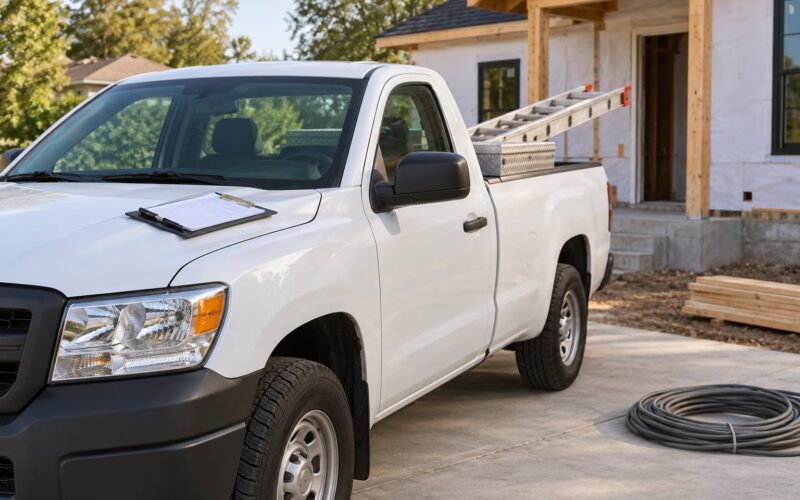
Do not wait for certainty about who is at fault. In r/Contractor discussions, the ownership point comes up constantly: when a bid covers labor and materials only, the tools left on site belong to the contractor, which means the contractor carries the loss.
Step 6: Review coverage after major changes
Coverage drifts out of date quietly. Review it whenever you buy a major machine, take on employees, add vehicles or mobile tools, move the business, start working in a new state, or expand your inventory past its limit by a wide margin. Underinsuring because the schedule was written when you were a one-truck operation is one of the most common and most expensive mistakes in this whole area.
A booked annual review with a licensed broker covers this properly, and the same conversation can revisit deductibles, limits, and whether loss of income coverage now makes sense.
Common Mistakes
Almost every denied tools claim traces back to one of these. The fix is usually quick, and most of them are fixable before anything goes wrong.
Assuming general liability covers your tools. It does not. It responds to third-party claims, and your own stolen saw is not a third-party loss. Read the declarations page and confirm it with a written answer from the carrier.
Relying on memory at claim time. No serial numbers, no photos, no receipts. You end up proving a value to an adjuster with no documentation and settling for less than you should. Build the inventory before you need it.
Ignoring the deductible and the limit. A high deductible on a small loss can cost more than the gear is worth, which is fine once you know it. A limit lower than your inventory is not fine, and it is invisible until you file.
Storing equipment somewhere the policy excludes. An open bed, an unlocked trailer, or a yard with no fencing can trigger a denial or a condition claim after the fact. Ask what the policy requires, then match your behavior to it.
Mixed-up valuation. Actual cash value pays for the tool as it was, not as it is. If you cannot replace current-generation equipment at that amount, you are underinsured even with full coverage in force.
Letting the schedule go stale. New machines never make it onto the list, so the schedule no longer describes what you own. Add items as you buy them, not at renewal time.
Tips for Keeping Coverage Reliable
Reconcile your inventory against your policies once a year, in the same week as your policy renewal, so nothing slips. Keep two backups of the inventory: one cloud folder and one on the truck. Label equipment discreetly with contact details so a recovered item can find its way home, which some policies reward.
Tell your insurer promptly about any change in exposure, even the small ones. Many carriers offer credits for tracked machinery, locked storage or a documented security routine, and the ones who do notice usually reward the habit annually.
Frequently Asked Questions
Does general liability insurance cover tools and equipment?
No. General liability responds to third-party injury and third-party property damage, not to loss of your own property. A stolen saw in your trailer is your loss, not someone else’s. You need tools and equipment coverage, inland marine coverage, or a scheduled equipment endorsement for that. Ask your carrier in writing which of those sits behind your certificate and what the limit is.
Should I insure tools for replacement cost or actual cash value?
Replacement cost, for most contractors. Actual cash value pays a depreciated figure, so a five-year-old tool comes back at a fraction of what a new one costs you. Replacement cost settles at current price for comparable equipment. It usually costs more, but the gap it closes is exactly the gap that stops work. Choose ACV only for older gear you would not replace.
What happens if my tools are stolen from a customer’s job site?
Your policy responds if off-premises coverage applies and no exclusion fits, and it pays you rather than the customer. Liability shifts to whoever controls the site in some cases, and a contract may assign responsibility differently. Get a police report, photograph the scene, and notify your insurer the same day. Keep your contract handy, since the general conditions section often addresses loss of property.
Can I insure tools owned by employees or subcontractors?
You can cover employee tools, and many contractors do it as a retention and recruiting benefit. Subcontractor tools are normally the responsibility of that subcontractor, so confirm that in writing before assuming your policy reaches them. Insurance for property you do not own, and do not control the use of, is exactly the gray area policies handle least clearly. Ask for the language in writing.
Do I need separate coverage for equipment stored in my vehicle?
Usually yes, because the gap is real. Personal auto policies commonly exclude tools carried in the bed of the vehicle, and cargo coverage is limited. Your commercial inland marine or tools floater should reach equipment at a job site and in transit, but confirm that off-premises wording explicitly. Ask what happens when the vehicle is parked overnight at a customer location.
What should I do immediately after equipment is lost or damaged?
Four steps, in order. Call the police for a report number if anything is stolen. Photograph the scene before anything moves. Notify your insurer and broker the same day, because reporting deadlines are short. Gather serial numbers, receipts and prior photos, and do not discard damaged items until the adjuster says so. Keep a written record of who you called and when.
Conclusion
Start with one hour at a kitchen table: list every tool you own, note where it goes and what it would cost to replace. Pull your declarations pages and mark what is covered, what is excluded and what the limit is. Then ask your agent in writing to confirm the gap. That one answer tells you exactly what to buy next, and it takes an afternoon.