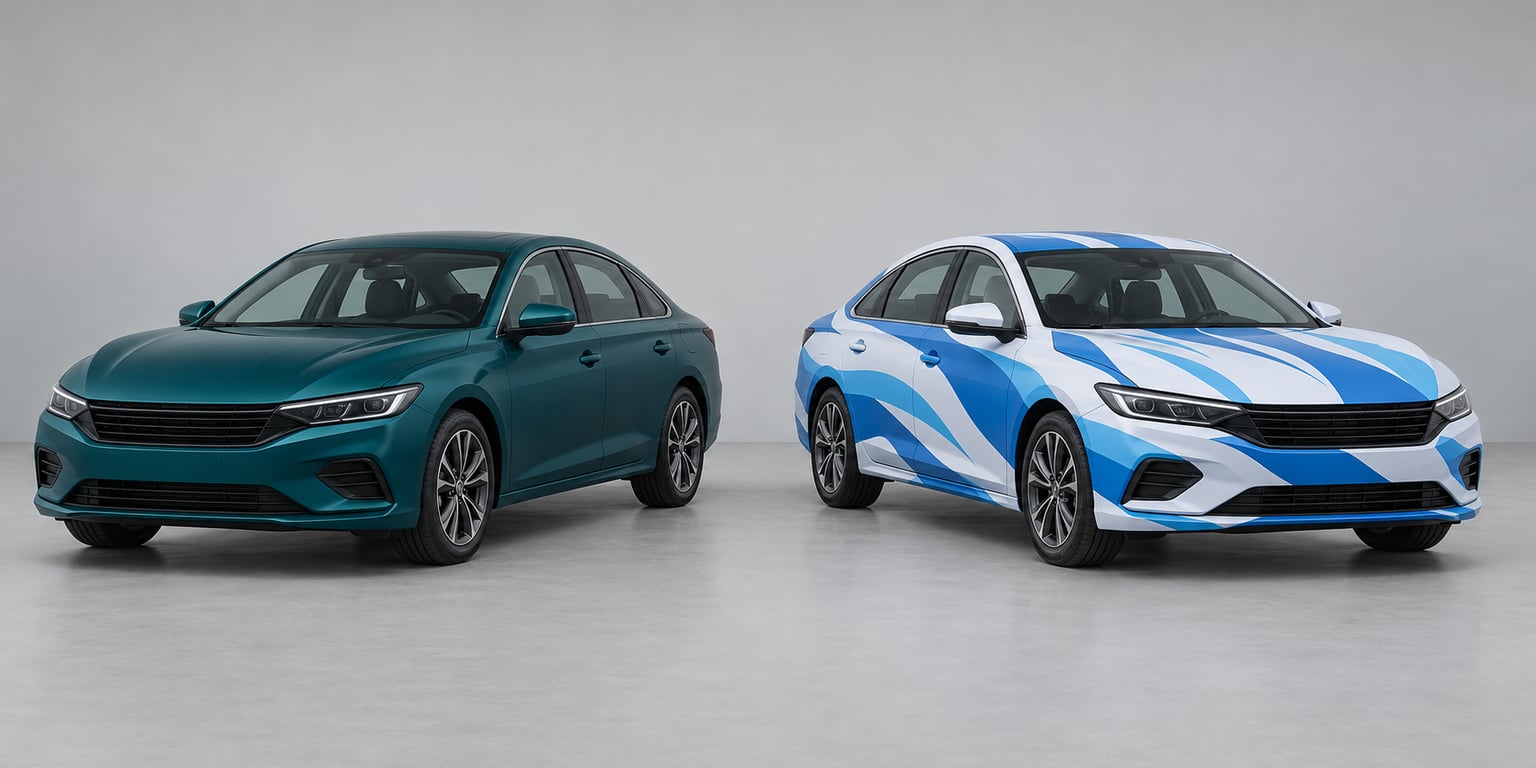
A color change wrap is solid-color cast vinyl applied over your paint to swap the color and finish of the whole vehicle. A printed wrap uses a large-format printer to put your own artwork, logos or gradients onto vinyl, then laminates it. Pick a color change wrap for a clean new finish, and a printed wrap when the vehicle needs to say something.
That is the short version. The longer version is that these two products share the same material and the same removal process, so the decision is really about what you want the vehicle to look like and how long you plan to keep it that way.
Both options cost less than a comparable paint job, both hide the factory color completely, and both come off cleanly when a good installer takes them off. Everything that separates them comes down to finish depth, design freedom and how the artwork ages.
Table of Contents
- Color Change Wrap vs Printed Wrap at a Glance
- What Is the Difference Between a Color Change Wrap and a Printed Wrap?
- What is a color change wrap?
- What is a printed wrap?
- Where color PPF fits
- Appearance and Design Options
- Cost and Installation Time
- Durability and Lifespan
- Customization and Branding Potential
- Color Change Wrap vs Printed Wrap: Maintenance and Care
- Which Should You Choose?
- For a personal car
- For a business advertising vehicle
- For fleets, food trucks and trailers
- For a short-term promotion or event
- For a textured or specialty finish
- The cost-per-year trade-off
- Frequently Asked Questions
- Is a printed wrap more expensive than a color change wrap?
- How long does a color change wrap last compared with a printed wrap?
- Can a printed vehicle wrap be removed without damaging the paint?
- Is a matte or satin color change wrap harder to maintain than a gloss wrap?
- Which type of wrap is best for a small business vehicle?
- Final Recommendation
Color Change Wrap vs Printed Wrap at a Glance
| Criterion | Color Change Wrap | Printed Wrap |
|---|---|---|
| Appearance | One solid color across every panel, in gloss, satin, matte, metallic, chrome, color shift or texture | Any artwork: logos, gradients, photography, patterns, full-body illustrative designs |
| Design freedom | Limited to solid colors and factory finish effects | Unlimited, limited only by print resolution and file prep |
| Finish depth | Paint-like, because the color comes from the film itself | Printed ink under a clear laminate, so gloss reads slightly flatter than cast film |
| Typical cost for a sedan | Roughly two to four thousand US dollars installed | Roughly three to five and a half thousand US dollars installed |
| Lead time | Usually one to two weeks from booking | Usually two to four weeks, because the artwork is printed first |
| Install time | One to three days for a sedan | Two to four days, more with perforated window film |
| Lifespan | Roughly five to seven years indoors and in mild climates | Roughly five to seven years, tied to laminate quality more than film quality |
| Fading risk | Low, since the pigment is in the film | Higher, since UV hits printed ink and the laminate |
| Paint protection | Light, against UV, light scratches and swirl marks | The same light protection, plus laminate adds UV resistance |
| Best for | Personal color changes, leased cars, show builds, resale protection | Business advertising, fleet branding, food trucks, trailers, campaigns |
One row matters more than the rest: lifespan. People assume printed film dies faster because ink fades. In practice the printed wrap lives exactly as long as the color change wrap when the laminate is right, and it fails earlier only when the laminate yellows or the edges lift.
What Is the Difference Between a Color Change Wrap and a Printed Wrap?
What is a color change wrap?
A color change wrap comes off a roll of cast vinyl that is already the color you want, usually in a 48-inch or 54-inch width. The installer cuts panels from that roll, and each panel has to match the others in color and direction of grain for the finish to look right across the whole vehicle.
Because the color is baked into the film rather than printed on top, the depth is closer to real paint than anything else you can put on a car short of painting it. That is also why the film catalog runs so deep. Cast vinyl from 3M, Avery Dennison Supreme Wrapping Film, KPMF, Arlon and Orafol comes in hundreds of stock colors, and specialty lines add carbon fiber, brushed metal, matte texture and color shift films that change appearance depending on the light.
Standard wrap film runs about three to four mils thick. It is a conformal acrylic adhesive film, which means it flows into body lines and around corners without lifting at the edges the way a thicker film can.
What is a printed wrap?
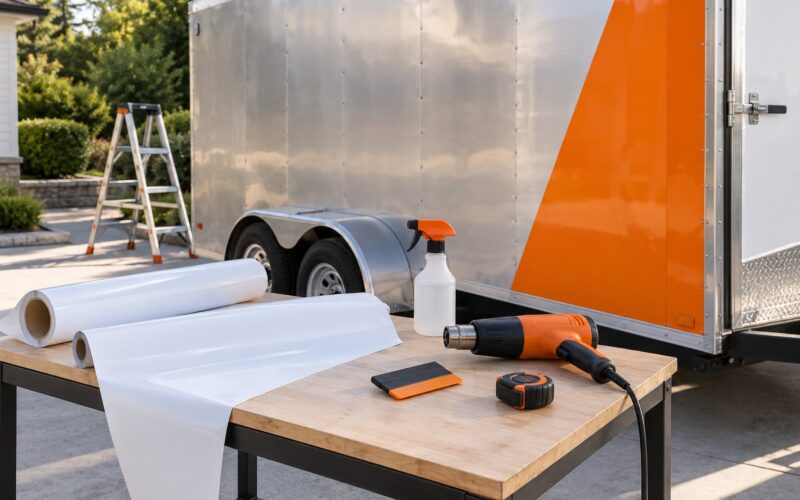
A printed wrap starts with a wide roll of white or tinted vinyl that runs through a large-format printer. The printer lays down your artwork, the film goes through a laminator that bonds a clear overlaminate to the ink, and only then does an installer cut and apply it to the vehicle.
That laminate step is the part most buyers do not know about. Bare printed ink scuffs, cracks and fades within a couple of seasons. Laminated ink holds up far longer, and the quality of that laminate, plus how far it extends past the edge of each printed panel, does more for the printed wrap’s life than the brand of base film does.
Windows are usually handled separately with perforated window film, a version with holes that let you see out from the inside while the print still reads as solid from outside. It costs extra and it takes extra time, which is a large part of why printed quotes run higher.
Where color PPF fits
Paint protection film is a third option people mix up with these two. Clear PPF is transparent and purely protective, while color PPF is a thicker, about eight-mil film that adds color and self-healing urethane in one product. Owners on r/AstonMartin note the same split: wrap is not designed to protect paint, and color PPF is harder to work with but does guard the finish.
So if rock chip protection is your priority, neither a color change wrap nor a printed wrap is the answer. If color plus moderate protection is what you want, color PPF sits between the two options described here.
Appearance and Design Options
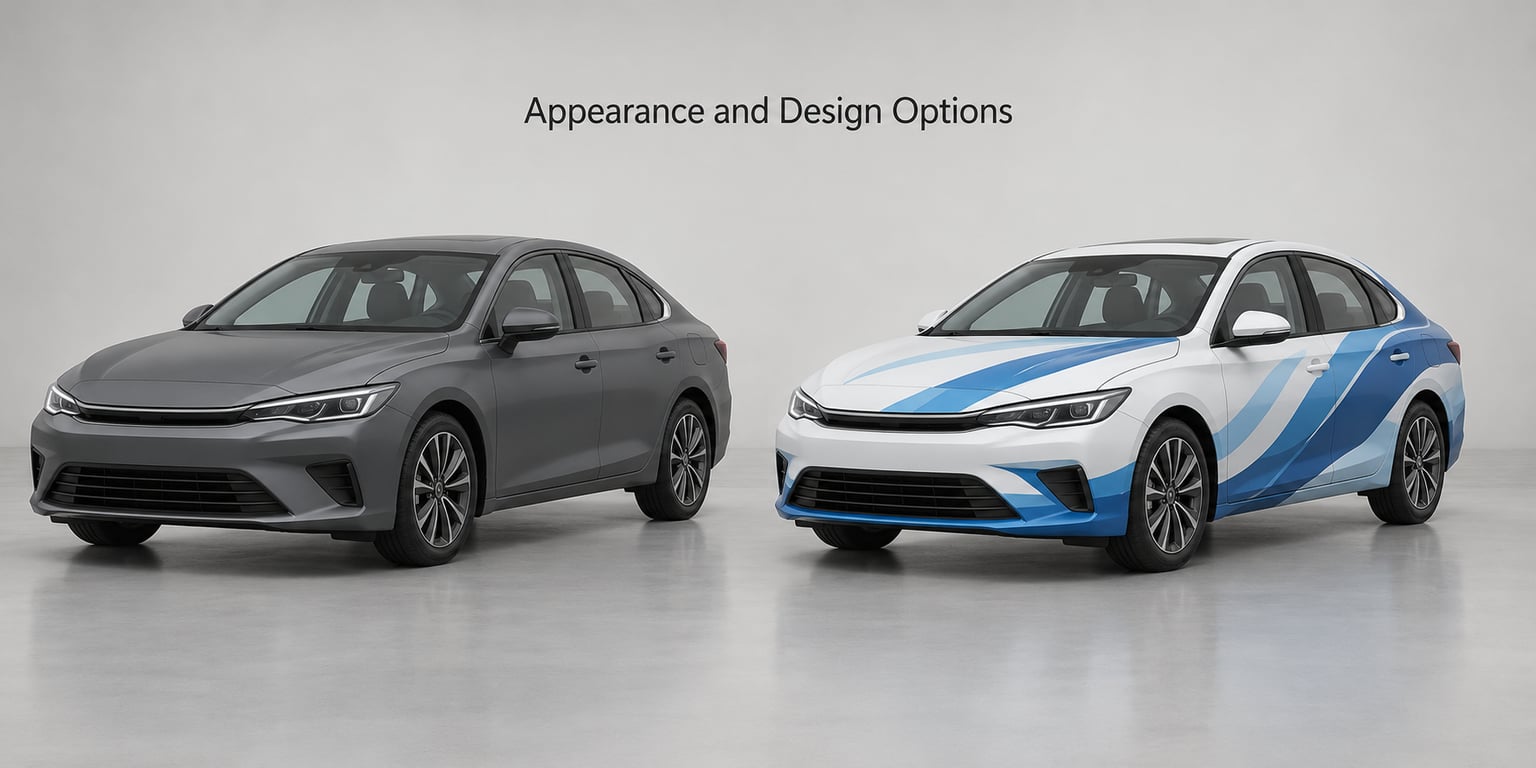
Color change wraps win on finish. A solid color with a consistent metallic flake across a hood, roof and quarter panel reads as one continuous surface, and nothing else short of paint achieves that without a repaint in solid color showing through.
Gloss is the most forgiving finish because it hides panel waviness the same way paint does. Satin and matte are the most revealing, since they show every contour line, every seam and any body filler underneath. Metallic, chrome and color shift films add depth that flat print cannot fake, at the cost of being harder to match panel to panel because the effect depends on viewing angle.
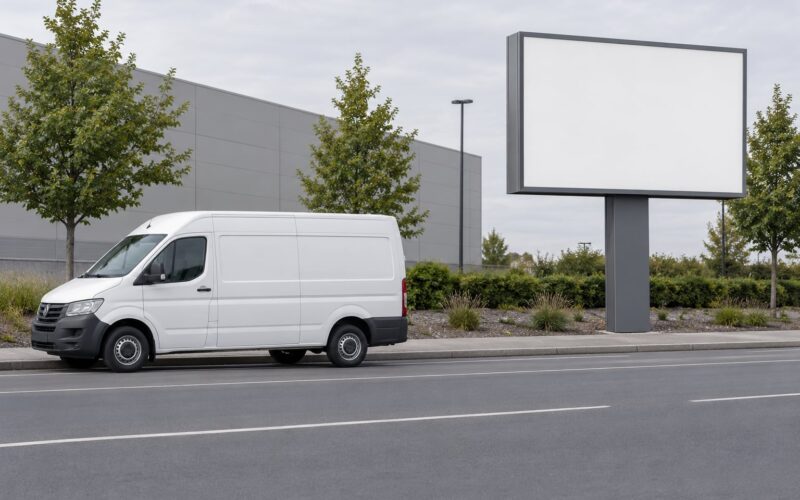
Printed wraps win on anything with an idea in it. A logo with a phone number, a photo of your product, a cityscape wrapping around the pillars, a racing stripe that continues across the roof, a full camo pattern. None of that is available from a solid film catalog.
The practical divide is subtle styling versus specific messaging. If the goal is that your car looks better and nothing more, a matte or satin color change does it. If the goal is that a stranger can identify your business from thirty feet away in traffic, print is the only option that works.
There is also a hybrid approach worth knowing about. Installers can print graphics directly onto solid color film, or wrap the vehicle in color change film and apply printed accents only where they are needed. On r/VinylWrap, one owner replaced a disliked gradient printed design with a color change wrap precisely because it is easier to correct and redo, and printed accents on top of a solid base is the usual compromise after a job like that.
Cost and Installation Time
Typical US ranges, not quotes: a full color change on a sedan lands somewhere around two to four thousand US dollars installed, while a full printed wrap with laminated graphics and perforated windows typically runs three to five and a half thousand. Larger vehicles scale up from there, and vans, trucks and trailers add length rather than difficulty.
These are typical US ranges that vary by region and change over time, so treat them as a starting point and get two or three written quotes.
What drives the price of a color change wrap:
- Vehicle size and how many panels need full coverage versus accent coverage.
- Film brand and collection, since premium cast lines cost more per yard than economy film.
- Paint condition, where a car needing correction or primer work goes up because prep is real labor.
- Finish difficulty, with chrome, textured and color shift film taking longer to conform.
- Panel count and tight radii around bumpers and rocker panels.
- Whether you are doing a full wrap or a partial wrap with a hood, roof or doors only.
What drives the price of a printed wrap:
- Design complexity, since full-body illustrative art with gradients takes far longer to prepare than a logo on a solid field.
- Print area and number of print runs, because large vehicles need more sections printed and matched.
- Laminate choice, where matte laminate over matte artwork costs more than gloss over gloss.
- Perforated window film, which is priced and timed separately from body panels.
- Separate print sections for panel-to-panel color matching on very large jobs.
- In-house design support, which saves money compared with hiring outside artwork.
On install time, a sedan color change is usually one to three days. A printed sedan runs two to four days, mostly because perforated windows and larger graphic areas slow the process down.
One more money question comes up constantly on forums: is it cheaper to paint or wrap. Wrapping sits well under a quality repaint in most regions, which is exactly why so many owners and small businesses choose it for a first color or a vehicle they plan to sell.
Durability and Lifespan
A well-installed color change wrap in a garage lasts seven years or more. Outdoors in a moderate climate, expect five to seven. A printed wrap holds the same range, and the deciding factor is not the ink but the laminate sitting on top of it.
What actually shortens a color change wrap:
- Edge lifting at door sills, bumpers and hood edges, usually from rough washing or a hard lift at speed.
- Sun fade in high-UV regions, where an interior-dashed car holds color far longer than one parked outside daily.
- Heat in a hot climate or a hot garage, which softens adhesive and invites bubbling at seams.
- Road salt and grit in winter regions, which attack edges and get worked under by careless washing.
What shortens a printed wrap:
- Laminate yellowing, the single most common complaint, and the reason laminate quality is worth paying for.
- UV fade of the ink when the laminate is thin, worn or missing at a seam.
- Edge lifting on complex curves, since printed film behaves the same as solid film around tight radii but shows cracks where the ink has stressed.
- Panel color variance, where two panels printed in separate runs can land slightly apart in tone under certain lighting.
That panel variance deserves a closer look, because it is specific to printed work. When the same solid film is cut from one roll, adjacent panels come from the same dye lot and match closely. When artwork is printed in sections, the printer can shift tone slightly between runs, and a door can look a shade warmer than a fender in direct sun.
Ask the shop how they handle it. Good shops print the full side of the vehicle in one continuous run where the printer is wide enough, or cut panels from a single printed section whenever they can.
On removability, both types come off the same way, with heat and a solution that dissolves the adhesive, leaving factory paint untouched when the car was painted in good condition to begin with. That reversibility is the strongest argument for wrapping instead of painting a leased car or a car you plan to resell.
Customization and Branding Potential
A color change wrap personalizes. A printed wrap advertises. That single distinction decides most of the decisions that come after it.
For a personal vehicle, color change covers nearly everything people want: a satin grey over a glossy black car, a color shift green that moves in daylight, a full matte blackout. The catalog is deep enough that you rarely feel limited. What you give up is any element of graphic design, since you cannot print your initials, a stripe or a mountain range on a solid film.
For a business vehicle, the reverse is true. A van with a logo, a phone number and a service area on the side is a printed wrap. Signs101 installers describe the split plainly: expensive show cars tend to get color change vinyl, while everyday cars and business vehicles get printed wrap, because intent and budget drive the choice more than anything technical.
Fleet work is printed by default, for one practical reason. You can update the artwork on the next run of vehicles without changing the film itself, so a rebranding or a seasonal promotion is a new print job rather than a new wrap on every vehicle in the fleet.
Partial wraps exist for both types and they are worth considering. A printed hood and roof package gives you branding at a fraction of a full wrap, and a color change wrap can be applied to just the roof and mirrors for a two-tone look that reads as intentional rather than unfinished.
One caution on temporary promotions. Short-term printed wraps are common for events and seasonal campaigns, and the design can absolutely be removed when the season ends. What you cannot do is touch up a torn printed panel and expect it to blend. That is where a solid color change has the advantage, since a damaged panel gets replaced in the same film and the mismatch is invisible.
Color Change Wrap vs Printed Wrap: Maintenance and Care
Care rules are close to identical, and the printed version adds one extra item: keep an eye on the laminate edges, because that is where a printed wrap fails first.
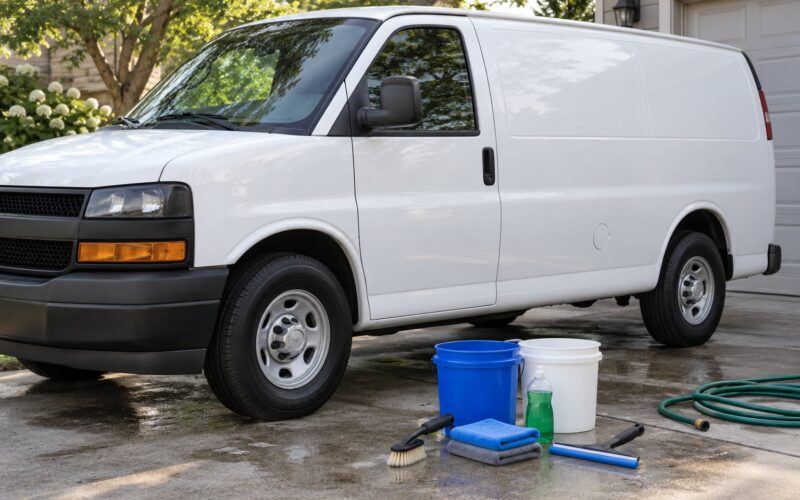
Hand washing is the baseline for both types. Use a pH-neutral automotive soap and a microfiber mitt, and never run a wrapped car through an automatic car wash. Brushes and high-pressure jets work film edges loose over time, and no wrap, solid or printed, is designed for that.
Dry with microfiber towels and a blower if you have one. Dry a panel instead of letting water sit at an edge, since trapped moisture under adhesive is the classic starting point for bubbling.
For a printed wrap, add these two habits:
- Inspect laminate edges monthly, looking for the first sign of lifting or discoloration along seams and around handles.
- Use a vinyl-safe detailer rather than waxes containing solvents, which can cloud or dull the laminate.
For a color change wrap, the extra habit is finish-specific. Gloss can take a light polish or a vinyl-safe sealant. Matte and satin cannot be polished, because any abrasive or gloss product will leave a permanent shiny patch on the surface. This is the answer to the question people ask most often: matte is harder to maintain than gloss, and it is a matter of what you are allowed to use, not how hard the car is to wash.
Parking habits matter more than most people expect. Garages and covered structures extend life more than any product you can buy. If you must park outside in a UV-heavy region, a car cover does more for the film than another layer of sealant would.
And clean off bird droppings, tree sap and fuel spills quickly. On a solid film they can sit a few days without harm. On printed artwork, acidic and oily stains work into the laminate faster than anyone expects.
Which Should You Choose?
For a personal car
Choose a color change wrap. You get the finish depth nothing else matches, the largest color catalog available, and a lower install bill. It is the right call for a leased car, a car you plan to resell, a build you are showing, or any vehicle where the goal is simply to stop seeing the color you bought.
For a business advertising vehicle
Choose a printed wrap. Your phone number, logo and service area need to be legible from traffic, and no solid film can do that. Budget for the longer lead time and file prep, and get the artwork proofed before the film is printed, because a reprint is far more expensive than a proof.
For fleets, food trucks and trailers
Printed, almost without exception. Repeatable artwork across many vehicles, one design system to maintain, and the ability to update messaging on the next run of vehicles instead of rewrapping the whole fleet.
For a short-term promotion or event
Printed, then removed when it is done. This is where the reversibility of both types pays for itself, since neither one touches the factory paint.
For a textured or specialty finish
Color change, and only color change. Chrome, brushed metal, carbon fiber, color shift and textured films do not exist as printed laminate, so the specialty finish question answers itself.
The cost-per-year trade-off
Here is the calculation nobody does. A color change on a sedan at roughly three thousand US dollars over five years costs about six hundred a year. A printed wrap at roughly four thousand over seven years costs a bit under six hundred a year as well. The printed wrap looks more expensive up front and often works out cheaper per year, provided it is laminated properly and nobody puts it through a tunnel wash.
That is also why the budget question has two answers. If your only constraint is the invoice today, a color change wins. If your only constraint is cost per year of use, they are close enough that the design decision should make the call for you.
Frequently Asked Questions
Is a printed wrap more expensive than a color change wrap?
Usually yes. A full color change on a sedan typically runs two to four thousand US dollars installed, while a printed wrap with laminated graphics and perforated windows runs three to five and a half thousand. The gap comes from design prep, print runs, the laminate layer and the extra time needed for window film. On very large vehicles with simple artwork, the two can get close. Treat these as typical US ranges that vary by region and change over time, and get written quotes.
How long does a color change wrap last compared with a printed wrap?
They last about the same, usually five to seven years, and seven or more for a car kept in a garage. Color change film holds color well because the pigment is in the film itself. A printed wrap fades only when its laminate degrades, which is why laminate quality matters more than ink quality. In high-UV regions or on vehicles parked outside daily, both shorten toward four years.
Can a printed vehicle wrap be removed without damaging the paint?
Yes, in almost all cases. Both printed and solid wraps come off with controlled heat and an adhesive solution, and factory paint is left untouched when the car was painted in good condition to begin with. If the paint is faded, oxidized or already peeling, removal can take that damaged layer with it. That is the one real risk, and it applies equally to color change wraps.
Is a matte or satin color change wrap harder to maintain than a gloss wrap?
A little, yes, mostly because of what you can use on it. Gloss film accepts a light polish and a vinyl-safe sealant. Matte and satin cannot be polished at all, since any gloss or abrasive product leaves a permanent shiny patch. Washing rules are identical for both, so hand washing with pH-neutral soap and a microfiber mitt is the whole routine.
Which type of wrap is best for a small business vehicle?
A printed wrap. A business vehicle needs a logo, phone number and service area readable from traffic, and solid film cannot carry any of that. Printed work does cost more and needs a two to four week lead time, but the vehicle becomes advertising rather than a personal car. Proof the artwork before printing, since a reprint costs far more than a proof.
Final Recommendation
Color change wrap vs printed wrap comes down to one question: is this vehicle being admired or being read? Choose a color change wrap for a solid finish that looks like paint, costs less and reverses cleanly. Choose a printed wrap for graphics, branding or artwork. Whatever you pick, settle it on appearance, budget and intended use, get the film brand named in writing, and hand wash the result forever.