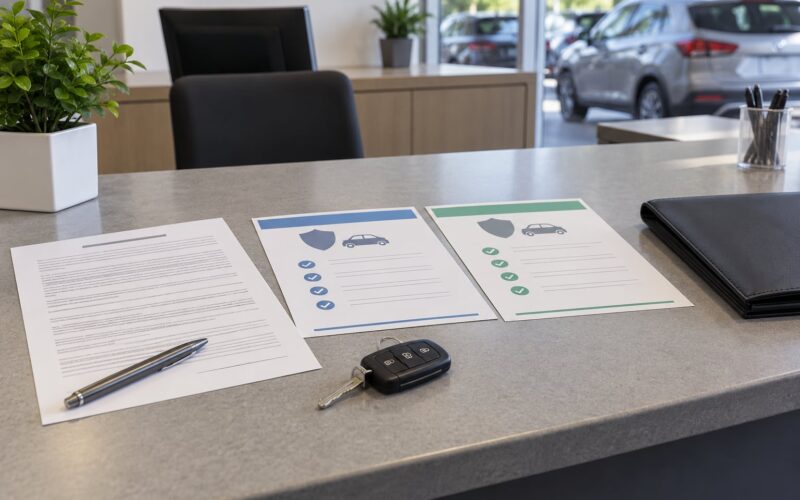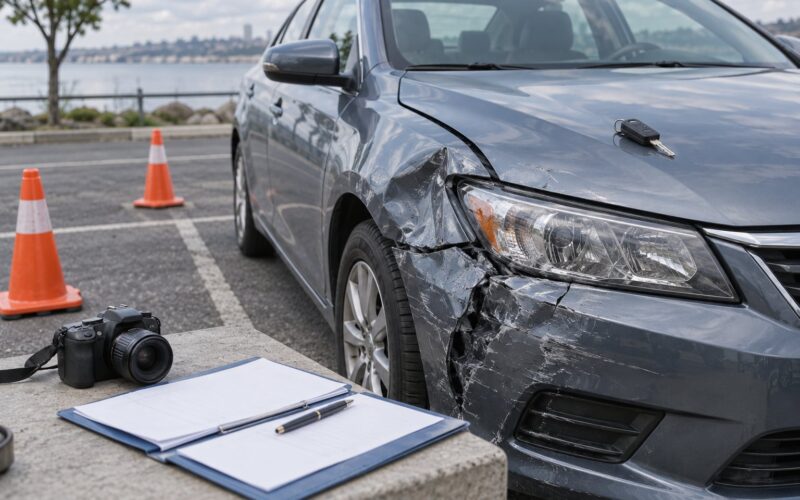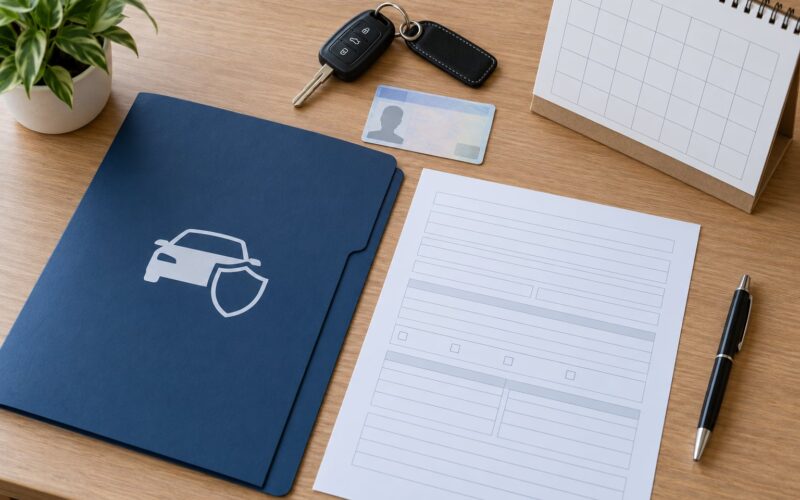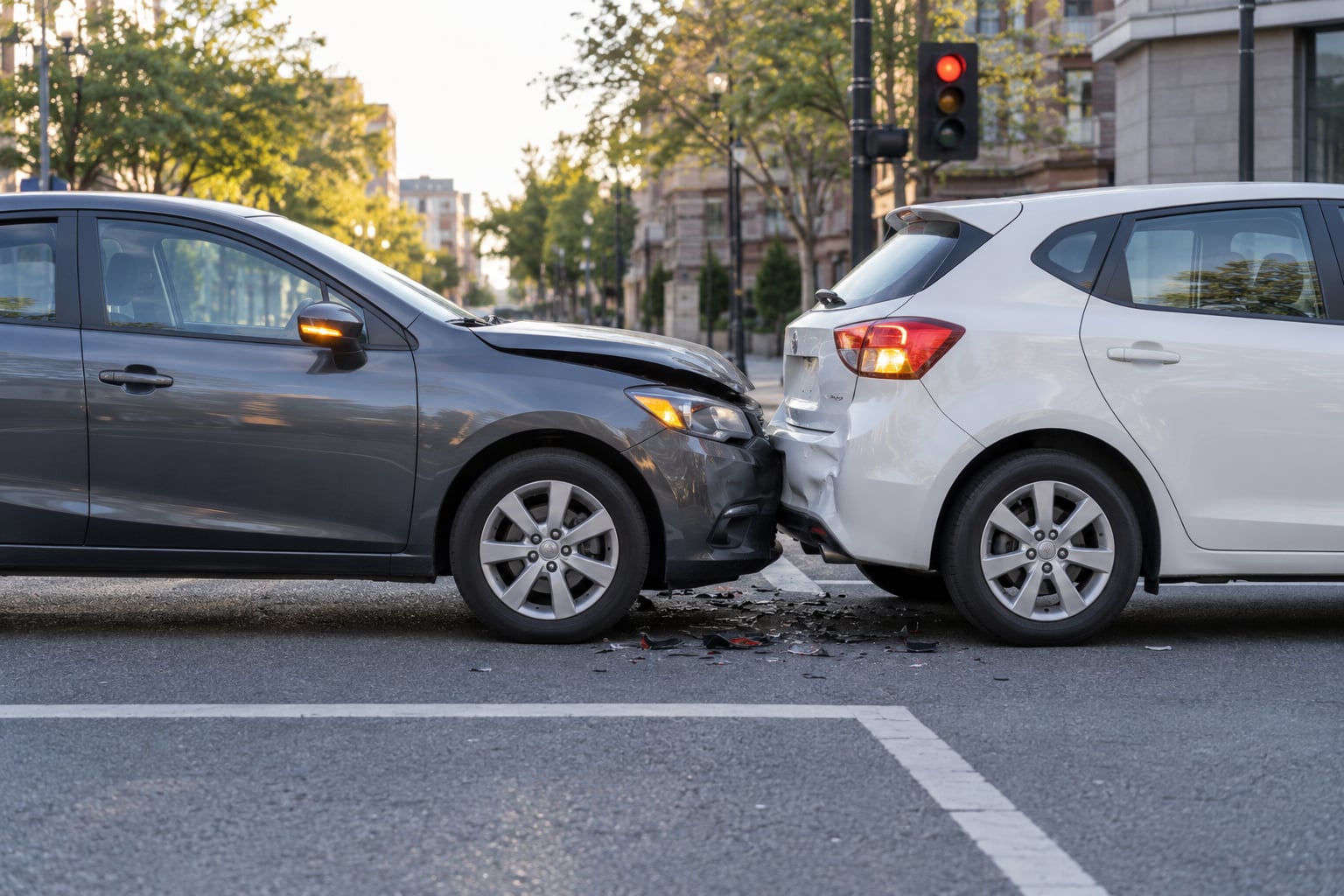
What to do after a minor car accident runs in a fixed order: check for injuries, make the scene safe, decide whether police are needed, photograph the damage, exchange information, and notify your insurer before any repair work starts. Fifteen careful minutes at the roadside protect you far better than driving away and trying to remember the details later.
Minor usually means a low-speed collision with little or no injury and both vehicles still drivable — a parking lot sideswipe, a slow rear-end tap, a cracked bumper in a parking space. Even then, most of the rules are the same as for a bad crash, because adrenaline hides pain and witnesses do not wait around.
Two decisions cause most of the stress after a fender bender: whether to call police and whether to file a claim. Both have clear answers, and both depend more on the facts of the collision than on how small the damage looks.
Table of Contents
- What You Need
- Step-by-Step: What To Do After a Minor Car Accident
- Check for Injuries and Move to Safety
- Secure the Scene and Contact Authorities
- Document the Accident and Exchange Information
- Notify Your Insurance Company
- Arrange Repairs and Track the Claim
- Common Mistakes
- When to Seek Medical or Legal Help
- Frequently Asked Questions
- Do I need to call the police after a minor car accident?
- Should I tell insurance about a minor accident?
- Is it worth filing a claim for minor damage?
- Should I get checked at the doctor after a minor crash?
- What injuries are hidden after a minor car accident?
- How long do I have to file a claim after a minor accident?
- Conclusion
What You Need
Keep these items in the car rather than hunting for them on a shoulder at night. Most of them cost nothing and save a bad afternoon.
- Charged phone with your insurer’s claims number and roadside assistance saved in the contacts, not buried in an app you have to log into.
- Driver’s license, registration and proof of insurance. Some states require the physical card. Run the numbers into your phone’s notes app so you are not digging through a glovebox in traffic.
- First-aid kit for scrapes, glass cuts and the small bleeding cuts that show up after the adrenaline fades.
- Flashlight and reflective vest or warning triangles — the two things that keep a night scene from becoming a second collision.
- Nitrile gloves and a pen. Gloves keep you off broken glass and fluids, and the pen is for writing down facts while they are still in front of you.
- Camera, or a phone that shoots photos and video. The camera matters less than the habit of actually using it.
- Contact numbers for a trusted person who can collect children, pets or a second car if the scene is going to take a while.
A bright flashlight is the item people most often skip and most often wish they had. Bumper damage and plate numbers are nearly impossible to photograph by taillight.
Step-by-Step: What To Do After a Minor Car Accident
Work through the steps in order. Skipping ahead to the phone call is how people end up with a claim they cannot prove.
Check for Injuries and Move to Safety
Start with yourself and your passengers, then the other driver, then any pedestrian or cyclist nearby. Look for headache, neck pain, dizziness, numbness, confusion, chest pain, difficulty breathing, and anything that feels worse when you move.
A bump that felt fine at the moment of impact often announces itself an hour later, because the adrenaline surge dulls pain signals first. If nothing hurts, ask everyone directly instead of scanning faces across a lane.
Move the vehicles only when it is genuinely safe: hazards on, both cars out of the travel lane, on a shoulder, in a parking lot or on a shoulder with enough room for a passing truck. Do not move anything when someone is hurt, when the roadway is blocked, or when the positions themselves are the evidence.
Call 911 for severe pain, heavy bleeding, altered consciousness, a suspected neck or back injury, an unresponsive person, or a scene that is unsafe for you to stand in. You handled it correctly when everyone is alert and answering questions and the cars sit clear of moving traffic.
Secure the Scene and Contact Authorities
Turn on hazard lights, set out triangles or put on the reflective vest, and stand somewhere that keeps you out of the flow — never between the two vehicles and never on the roadway shoulder facing oncoming traffic.
Call for police when anyone is injured, the damage is significant, a driver is unresponsive, the roadway is obstructed, the facts are disputed, the crash involved more than two vehicles, or the other driver is uninsured or tries to leave. In a small parking-lot scrape with no injuries and no blocked lane, many departments will not send an officer.
That is not the end of it. Ask the non-emergency line whether a self-reported crash report is available through an online portal, and get the report or case number either way. Insurers ask for that number more often than drivers expect, and drivers on r/Insurance repeat the same advice: filing a report early stops the other party from reshaping the story later.
Write down the date, time and location the moment you are safe. Small collisions near intersections are harder to reconstruct than people assume, and a report locks in the facts while they are fresh.
Document the Accident and Exchange Information
Take wide photos first — both vehicles in position, the whole intersection, the traffic signals in view — then move in for close-ups of every damaged panel, then the license plates, then the driver’s side of each vehicle. Get the vehicle identification number in at least one frame if you can read it.
Capture the conditions too: lane markings, debris and shattered plastic on the pavement, fluid spots, tire marks, the phase of the signal, weather, lighting and anything a driver may have missed in the moment. Twenty photos on a rear-end tap can be worth more than two after the fact.
Exchange names, phone numbers, addresses, license numbers, plate numbers, vehicle year, make and model, plus the other driver’s insurer name and policy number. Ask to photograph their proof of insurance if they offer it, and take a picture of any witness who is willing to stand beside the car with you.
For witnesses, write down a name, a phone number and one sentence on what they actually saw. People leave quickly, and a number is worthless six weeks from now.
Do not argue, do not assign fault, and do not speculate about speed, distance or intent. Say what you saw and nothing more, and never record an admission about what caused the collision. You handled this step correctly when you could hand someone a full photo folder and a written exchange record.
Notify Your Insurance Company
Tell your insurer promptly, even when you plan to pursue the other driver. Policies generally expect prompt notice, and the gap between the crash and the call is one of the most common reasons claims get denied or delayed.
Give facts, not theories: date, time, location, the vehicles involved, the visible damage, any injuries, the witnesses, the police report number and the other driver’s insurer. Ask what coverage applies, whether rental reimbursement is available and for how long, how a repair is authorized, and what the response timeline looks like.
Keep the claim number in writing and start a folder for emails, call logs with dates and names, written estimates, supplements and receipts. Insurers move slowly when nobody has a file number, and a single organized folder usually speeds that up.
Drivers on r/Insurance consistently recommend filing through your own insurer and letting them handle the other party, since the claim exists either way and your own money stays out of it. Waiting to see whether the other driver accepts responsibility is the expensive version of this step.
Arrange Repairs and Track the Claim
Get at least one written repair estimate, and take your insurer’s estimate to a body shop you choose for a teardown review. Panels hide damage behind them, so the gap between an insurer appraisal and a shop’s teardown is normal rather than suspicious.
Rental reimbursement usually carries a daily rate cap and a day limit, and repairs drag on more often than drivers expect. Check the limit early rather than after the coverage runs out mid-repair.
Two terms you will hear at this stage. Diminished value means a properly repaired car still sells for less than an undamaged one, which is compensable in some states and not in others. A total loss designation happens when the repair cost plus supplements exceeds a percentage of the vehicle’s actual cash value, usually around 70 to 85 percent depending on the insurer, and the car is then usually paid out at value instead of repaired.
When a shop finds extra damage mid-repair, ask for a written supplement rather than a verbal all-clear, since work often pauses while the insurer reviews new line items. Review the final invoice against the approved estimate before you sign off.
If a dispute stalls, work the insurer’s internal complaint process first, then the state insurance department. Unresolved billing disputes between a shop and an insurer go to that state’s licensing authority. Keep every receipt; the small ones add up across a single claim.
Common Mistakes
Nearly every bad outcome I hear about comes from one of these, and all of them are avoidable in the first ten minutes.
- Leaving before the scene is documented. Photos, signal phases and debris disappear within minutes as traffic moves through. Fix: stay until you have wide shots, close-ups, plates and a written information exchange.
- Saying “sorry, my fault” or “I was going straight.” Both are recorded, repeated and used. Fix: describe only what you observed and exchange information without characterizing the collision.
- Signing documents at the scene. Release forms and repair authorizations signed while shaken rarely favor you. Fix: read anything before signing, take it with you, and decline anything that pressures you to decide immediately.
- Skipping a medical check because you feel fine. Whiplash and concussion symptoms often appear hours or days later, and a late-appearing injury with no early medical record is harder to document. Fix: get checked the same day and keep the records.
- Not calling your insurer. Drivers often wait hoping the other side pays, and end up without a claim number or a coverage decision. Fix: notify promptly and let the claim run, even if you expect the other insurer to reimburse.
- Posting about the crash online. Casual posts about other drivers can turn a simple claim into a dispute and occasionally into a lawsuit. Fix: keep the facts in the claim file and off social media.
- Letting the other driver dictate the exchange. A driver who admits fault and never gives insurance details usually leaves you without a real claim. Fix: leave with the policy number, or at minimum plate, VIN and a photo of the driver’s side.
When to Seek Medical or Legal Help
Get evaluated by a clinician within a day or two if you took a hard hit, hit your head, were unrestrained, or were thrown and twisted. Early documentation of symptoms matters to an injury claim in a way that later self-documentation rarely does.
Over the next 72 hours, watch for worsening pain, a headache that builds, dizziness, nausea, blurred vision, numbness or tingling, confusion, difficulty concentrating, sleep problems, neck and shoulder stiffness, and pain that spreads to the arms or back. These are the delayed patterns that show up after a low-speed collision. Worsening confusion, repeated vomiting, slurred speech, loss of consciousness, weakness on one side or a headache that feels worst at the skull base need emergency care, not a callback.
An attorney is worth a consultation when the dispute persists past the insurer’s deadline, when the other side denies liability for damage you have photographed, when there are lost wages, medical bills or a disputed injury, when damages are substantial, or when the other driver is uninsured. Small property-damage-only claims rarely justify a lawyer; that is the honest answer, and it is why this guide spends its length on documentation instead.
This is general information, not legal or medical advice. Reporting rules, claim deadlines and insurance requirements vary by state and change over time, so check your state DMV or insurance department for the specifics that apply to you.
Frequently Asked Questions
Do I need to call the police after a minor car accident?
Usually not when nobody is hurt, the damage is small, the cars are drivable and the lane is clear, because many departments will not send an officer for a property-damage-only fender bender. Call anyway if there are injuries, blocked traffic, a dispute about what happened, an unresponsive driver, or an uninsured or fleeing motorist. Ask the non-emergency line whether a self-reported crash report is available and keep the number.
Should I tell insurance about a minor accident?
Yes, notify your insurer promptly. Policies generally expect prompt notice, and the delay between the crash and the call is a common reason claims get denied or slowed. Give facts only: date, time, location, vehicles, damage, injuries, witnesses, police report number and the other driver’s insurer. File even if you expect the other insurer to reimburse you, and keep your claim number.
Is it worth filing a claim for minor damage?
It depends on one number. Compare the repair estimate to your collision deductible. If the estimate is well above the deductible, filing is usually worth it, and most carriers handle minor claims without raising your rate much. If the estimate sits near or below the deductible, paying out of pocket is reasonable. Also weigh the time involved: a claim means an adjuster, a rental limit and possible supplement delays.
Should I get checked at the doctor after a minor crash?
Yes, especially after a hard impact, a head strike, an unrestrained seat or a twisting motion. Whiplash and concussion symptoms often surface hours or days later, and a same-day medical record strengthens an injury claim that later self-reporting rarely does. If symptoms appear within 72 hours, return for evaluation rather than treating it with rest alone.
What injuries are hidden after a minor car accident?
The most common delayed complaints are neck and upper-back stiffness, headaches that build through the day, dizziness, blurred vision, numbness or tingling in an arm, difficulty concentrating and sleep disruption. That pattern usually appears within 24 to 72 hours. Worsening confusion, repeated vomiting, slurred speech, loss of consciousness or one-sided weakness need emergency care immediately.
How long do I have to file a claim after a minor accident?
Deadlines vary by state and by policy, and they are usually measured from the date of the crash rather than from the day you decide to claim. Most carriers expect notice within days, some states set a longer outer limit for reporting property damage, and medical injury claims can have their own separate windows. Notify your insurer early and confirm the specific deadline in writing rather than assuming it.
Conclusion
Check every person for injuries, secure the scene, decide on police, photograph the damage, exchange information, and call your insurer before anyone books a repair. Those six steps in that order handle most of what to do after a minor car accident, and the extra half hour they cost is the difference between a smooth claim and a month of phone calls.